Простым способом защиты данных и повышения производительности в процессе их обработки является дисковый массив. За счет совместимости с современными версиями материнских плат в серверах внедрение устройства в существующую сетевую инфраструктуру происходит быстро. В интернет-магазине Сервак представлены дисковые массивы и хранилища от передовых брендов, таких как Dell, HP и IBM.
Принцип функционирования дисковых массивов
Дисковый массив — это устройство, состоящее из нескольких дисков с общей системой управления, питания и охлаждения. Количество ячеек для установки элементов может достигать несколько сотен, в зависимости от требований организации. В процессе работы допускается добавление дисков по мере возрастания потребностей в масштабировании. Внутри массива скорость передачи данных варьируется в диапазоне от 1 to 16 Gb / s.
Конструкция дискового массива состоит из таких компонентов:
- Кэш-память. Способствует ускоренной работе хранилища с показателем производительности от 50% to 300% за счет содержания требуемой информации. От ее размера зависит скорость операций, связанных с вводом/выводом.
- Контроллеры. В количестве более двух единиц повышают уровень отказоустойчивости. Компонент отвечает за организацию хранения массивов данных и поддерживает виртуализацию.
- discs. Количество зависит от модели оборудования. На скорость их работы влияют объем, способ передачи информации и параметры контроллера.
Подключение дискового массива к серверу осуществляется напрямую или через сеть. Для большинства моделей оборудования доступна функция «горячей» замены комплектующих, что позволяет поддерживать функционирование серверных платформ в режиме 24/7.
Преимущества дисковых массивов
Дисковые массивы, которые можно выбрать в каталоге Servak, за счет распределения информации по нескольким дискам поддерживают оптимальную отказоустойчивость. При их внедрении и благодаря доступности виртуализации происходит оптимизация хранилища данных, обеспечивается дополнительная функциональность оборудования.
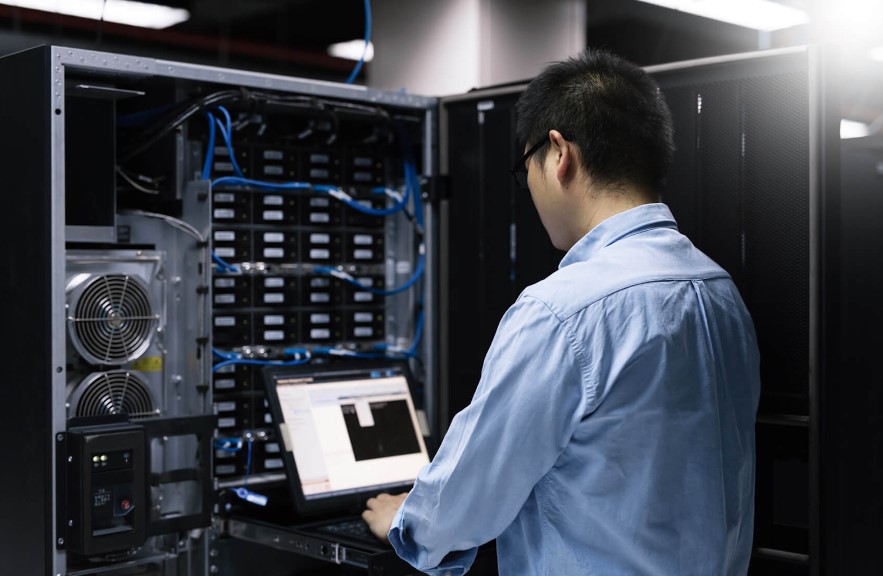
Достоинства дискового массива:
- простота обслуживания;
- защита данных благодаря автодиагностике и дублированию файлов;
- повышение общей сетевой производительности;
- доступность одновременного чтения данных с нескольких дисков.
При использовании дисковых массивов происходит разгрузка сервера, что продлевает срок эксплуатации оборудования. Благодаря возможности системы создавать мгновенные снимки в критических ситуациях можно избежать потери данных.